
Risk management isn’t one approach applied uniformly — different types of risk management exist because different risks behave differently, and treating them all the same way leaves gaps.The main types of risk managementAvoidance: eliminating the activity or exposure that creates the risk entirely. The most conservative approach, and only practical when the activity isn’t essential […]

Risk management is a process that identifies, analyzes, evaluates, and treats risks using a step-by-step approach. The purpose of risk management is to mitigate the risks associated with an organization’s operations or activities through preventive and mitigate measures, control mechanisms, and contingency plans. Each step of the Risk Management Process focuses on different aspects of […]

A risk management plan can take a few different forms, but at its most basic level, it outlines potential risks and how to control them. The Risk Management Plan also establishes procedures to mitigate the consequences of risks that are likely to occur and enables employees to recover quickly when disaster strikes. Here’s how you […]

Explore the intricacies of contract management in South Africa—optimize processes, compliance, and strategies. […]

Why Is Risk Management Important?Risk management is important because it lets a business anticipate problems before they happen, rather than reacting to them after the damage is done. Every business faces risk — from supplier failures and price volatility to compliance gaps and cybersecurity threats — and how well a business identifies and manages those […]
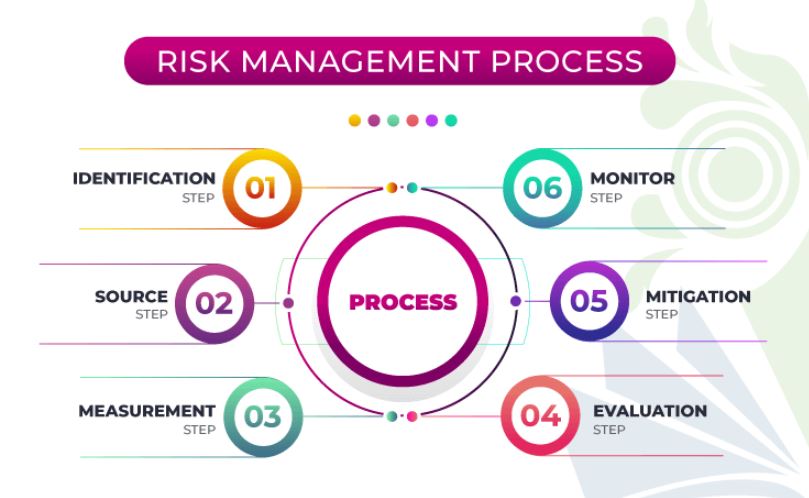
Risk management can be defined as the process of identifying and mitigating, or eliminating if possible, potential threats to achieving your goals and objectives through careful planning, vigilance, and timely action in all areas of your business. It’s important to know that Risk Management Process Steps do not require complete elimination of risk that would […]

The risk management process has seven steps: establish the context, identify risks, analyse them, evaluate and prioritise them, treat them, monitor them on an ongoing basis, and communicate throughout. It’s a cycle, not a one-off exercise — risk that was acceptable last year may not be this year. 1. Establish the context Define what you’re […]

Tips, tools, and best practices for effective control and optimization. Dive in now! […]

Explore the vital strategies and insights in project risk management for procurement companies. Learn how to mitigate risks effectively in this informative blog.

Explore the vital role of risk management in the procurement industry. Learn how effective risk management strategies can safeguard your company’s success. Dive into our latest blog for valuable insights.